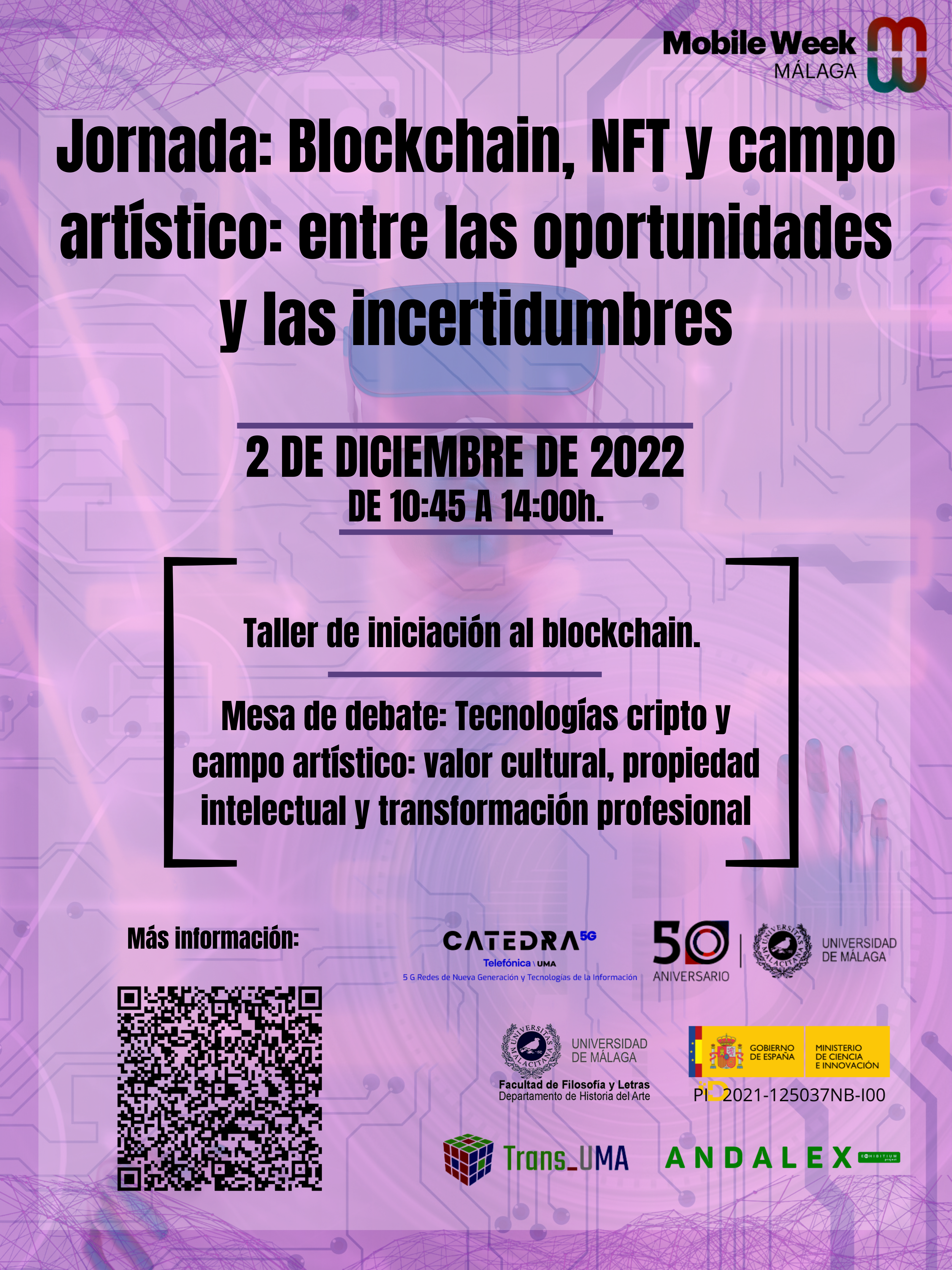
Conference: Blockchain, NFT and the artistic field: between opportunities and uncertainties
FULL CAPACITY
(If you would like to attend the blockchain in online mode, write to catedratelefonica@uma.es by 9.00 a.m. on 2 December)
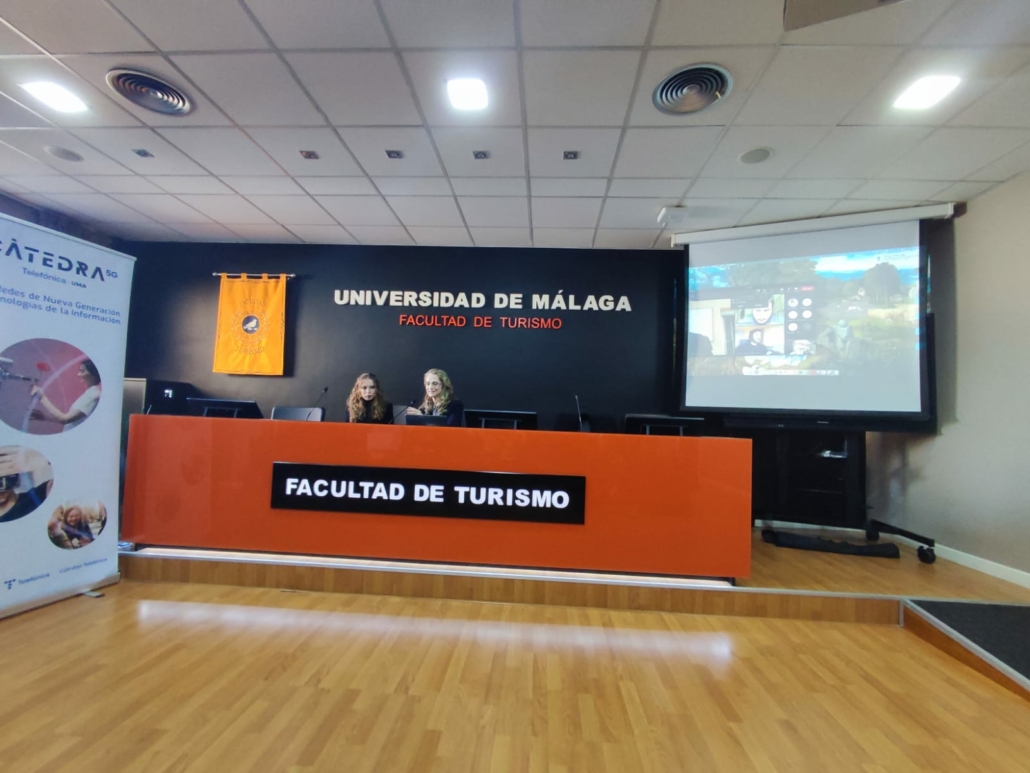
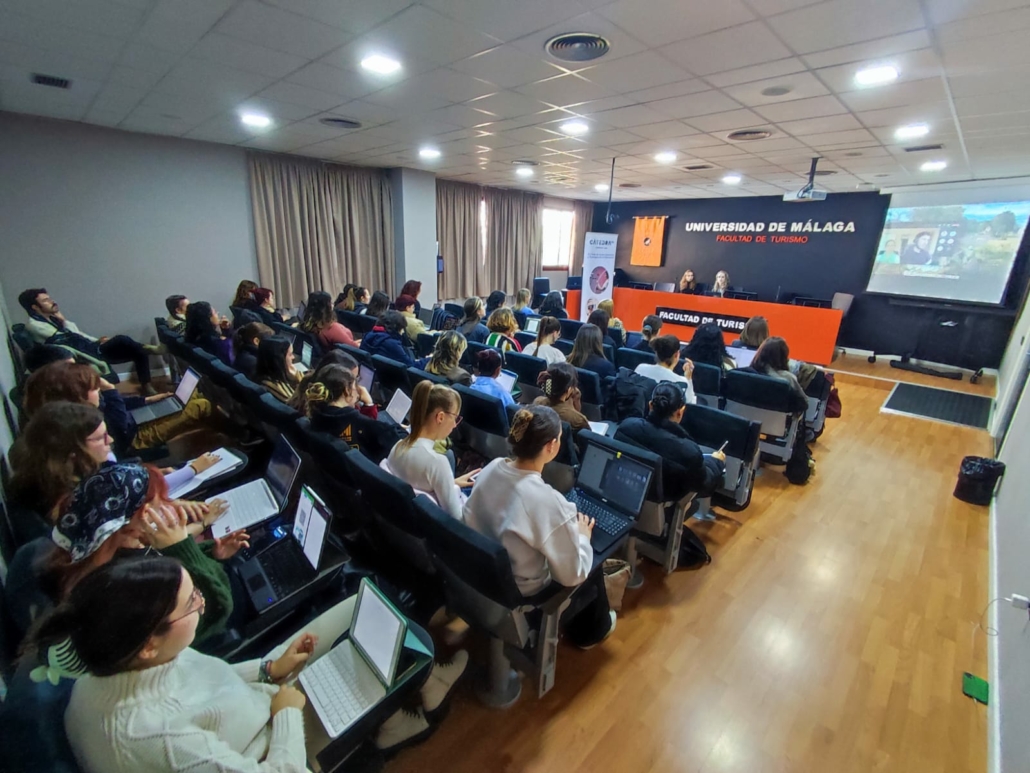
The conference will take place on 2 December: Blockchain, NFT and the art field: between opportunities and uncertainties, with very interesting workshops.
Timetable: from 10:45 a.m. to 2:00 p.m.
Venue: Faculty of Tourism and Communication Sciences
News of this kind, which has been coming in succession over the last two years, seems to show that the development experienced by the technologies of the blockchain is affecting the field of culture and artistic practices in a very relevant way. However, the phenomenon that has achieved the greatest media projection, the so-called “NFTs”, are only the tip of the iceberg of a process of wider consequences that points to a substantial transformation of the cultural field. In this conference, we want to explore this issue from two perspectives.
1st. Blockchain workshop: On the basis that it is not possible to critically reflect on these transformations or to have a full picture of where the field is heading without a proper understanding of what is the blockchain and how it works, we will start the day with a practical workshop that will map out the state of play of the use of the blockchain in the cultural field and learn concretely how blockchain technology works.
The workshop can be followed in person or online (prior registration required).
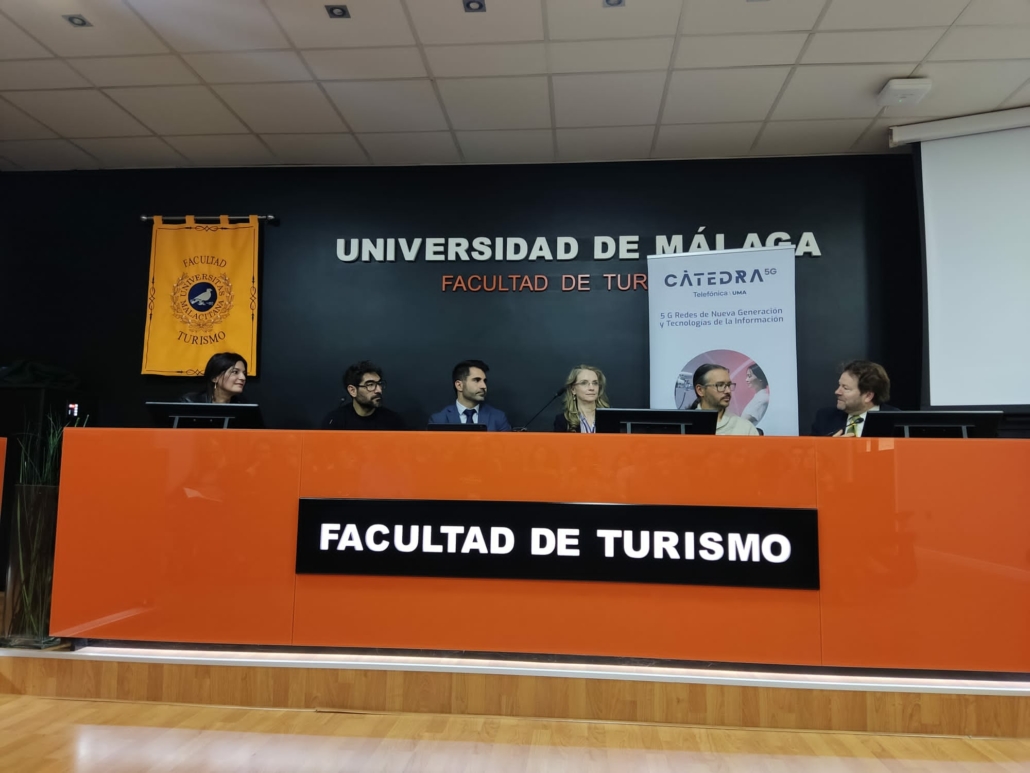
2nd Roundtable discussionThis roundtable will reflect on the way in which information and communication technologies can be used to blockchain are reshaping the cultural field in its multiple dimensions. Experts from different fields related to the implications of the blockchain will address key questions, such as:
- How are cryptography-based technologies transforming the concept of cultural and artistic «value»?
- What are the consequences of this transformation for collecting and the art market?
- How does the incorporation of crypto technologies affect the art profession?
- What opportunities are opening up?
- What are the implications of the concept of non-fungible token for cultural analysis and artistic criticism?
- How can lines of collaboration be established between the cultural sector and the technological sector in order to creatively advance in this sector?
- How can the tokenisation of cultural and heritage assets lead to a new relationship between institutions and their publics/communities?
- How could the gallery sector benefit from the tokenisation of its assets?
- What are the technological challenges involved in this digital transformation?
- What fiscal issues are associated with the production and marketing of NFT?
- Is there a need for adaptation and/or revision of laws and regulations related to intellectual property?
- What are the legal loopholes?
1st Activity.
Blockchain and NFT: an introductory workshop to the blockchain
10:45:12:15
Location: Sala de Grados - Faculty of Tourism
The following spoke:
Maria Ortiz Tello (PhD in Art History, postdoc researcher UMA and expert in NFT in the artistic field).
Diego Escalona Rodríguez (Head of tokenisation projects in the Blockchain team at Telefónica Tech).
2º. Activity
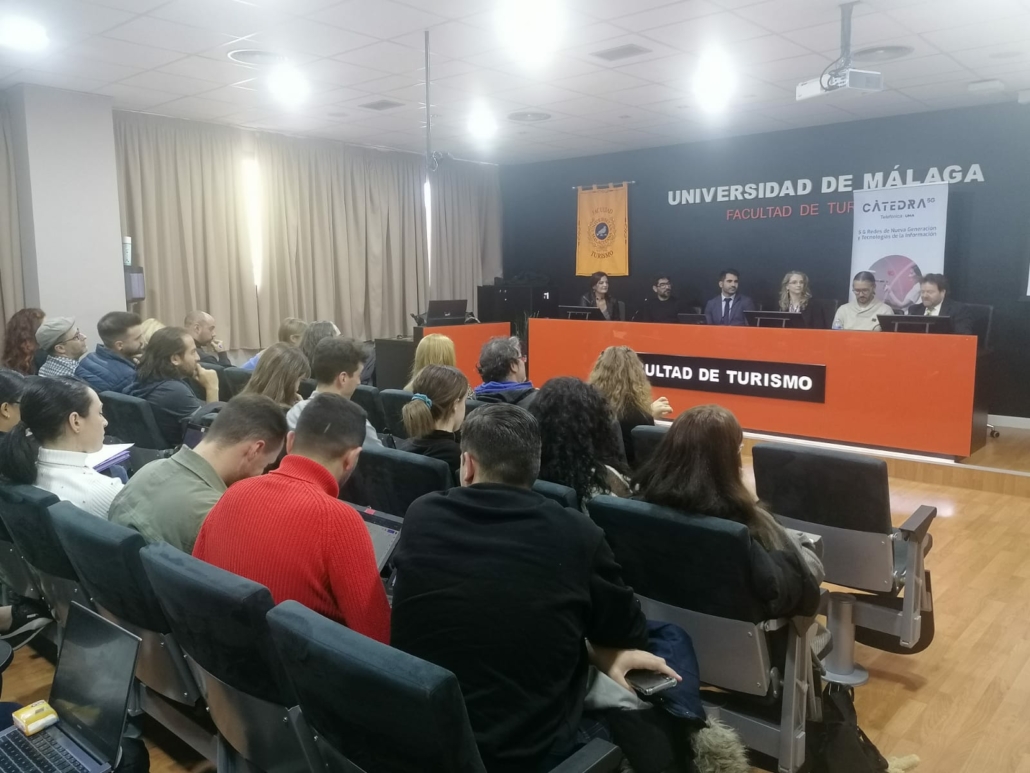
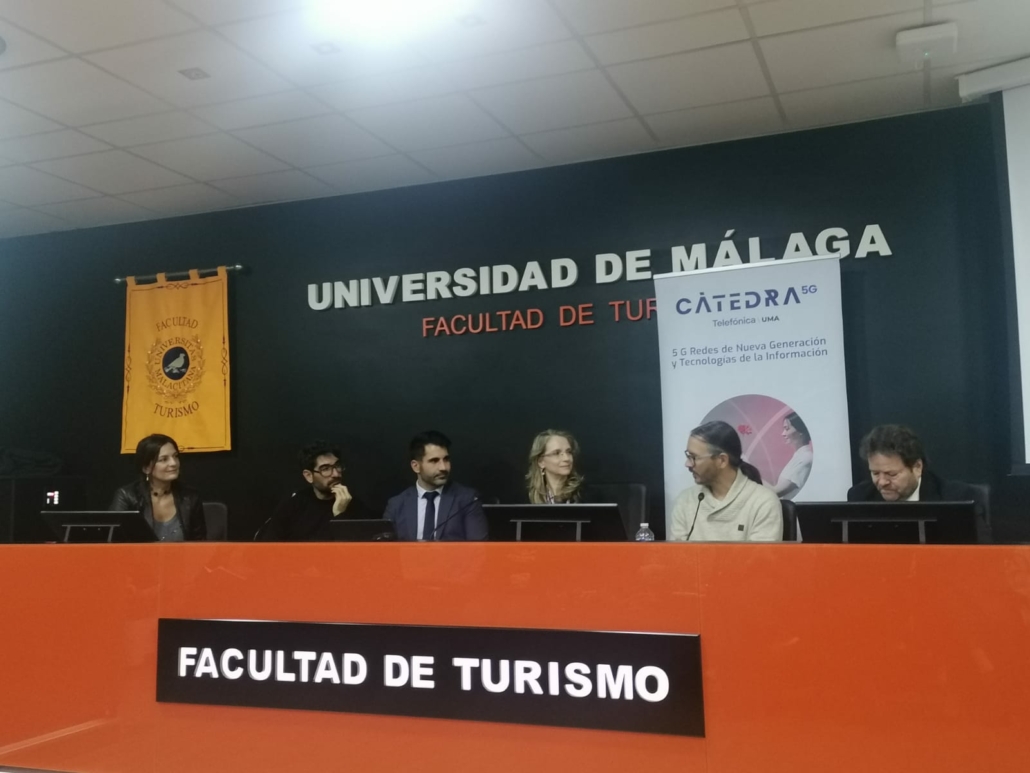
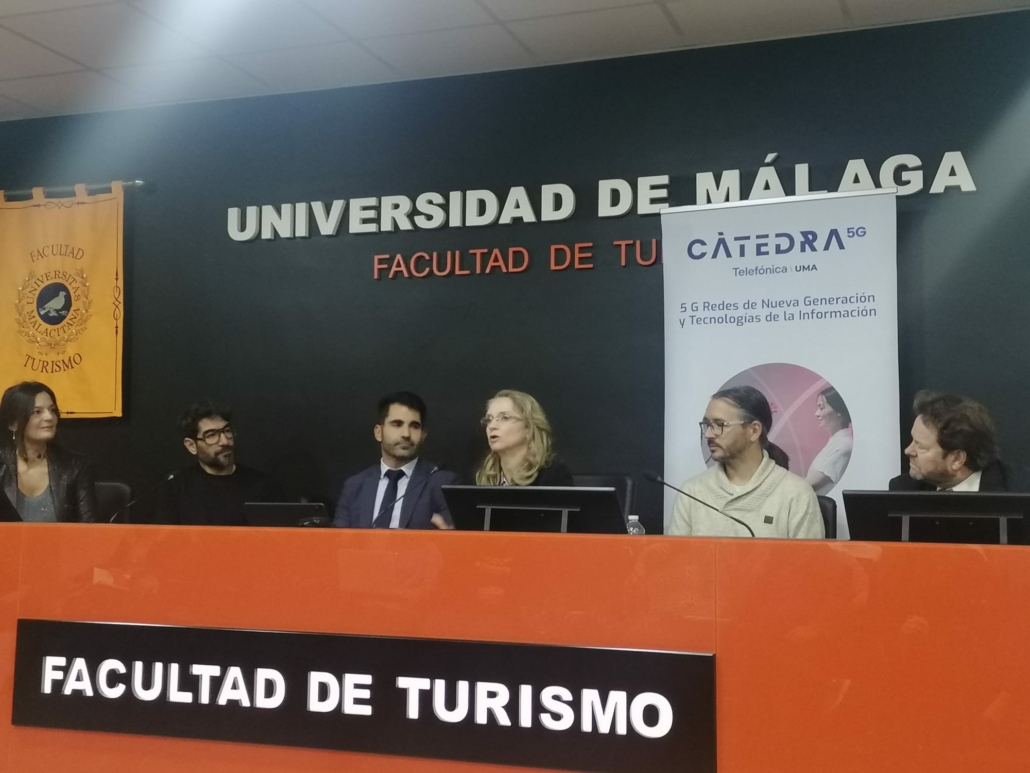
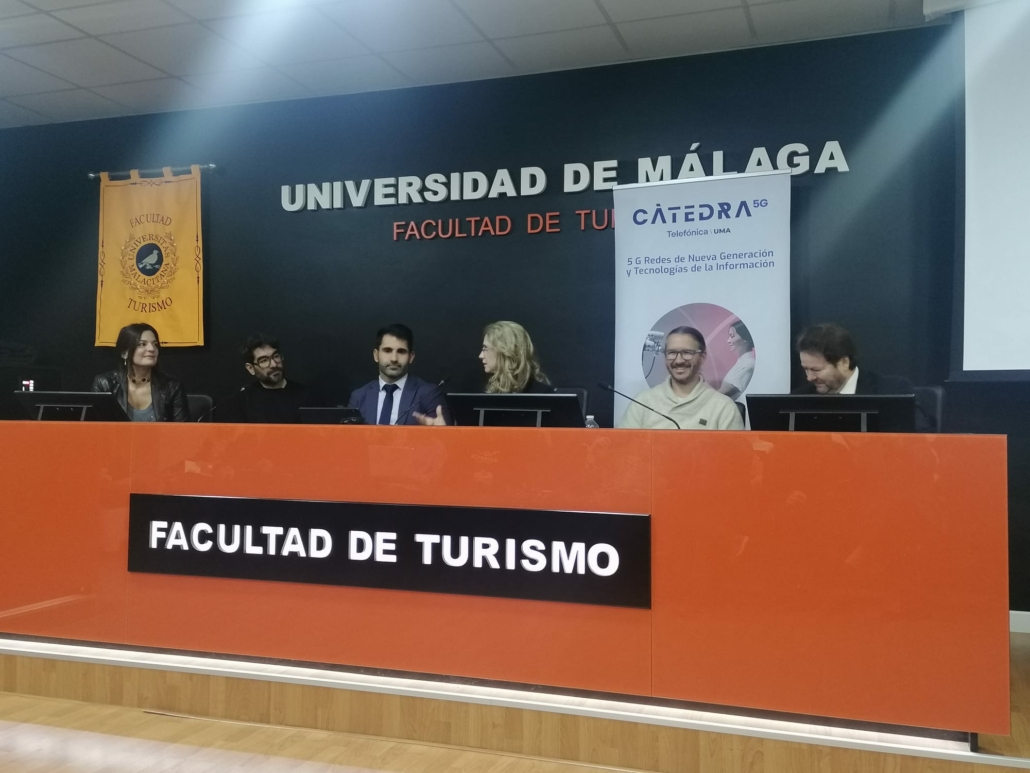
Roundtable: Crypto technologies and the artistic field: cultural value, intellectual property and professional transformation
12:30-14:00
Place: Faculty of Tourism Graduate Hall
The following spoke:
Verónica Cebrián Montero (Global B2B Manager in Commercial Approach and New Businesses at Telefónica, S.A.U.)
Soliman Lopez (Digital artist)
Eugenio Olmedo Peralta (Professor of Commercial Law, University of Malaga)
Juan José Hinojosa (Professor of Financial and Tax Law, Dean of the Faculty of Law, University of Malaga)
Isaac Agudo Ruiz (Lecturer in Computer Engineering, University of Malaga)
Moderator:
Nuria Rodríguez Ortega (Professor of History of Art, Director of the Telefónica-UMA Chair)
- information in progress
Curricula vitae of participants
Maria Ortiz Tello holds a PhD in Art History and is a postdoctoral researcher at the University of Malaga, where she also teaches the Imagomaquia seminars on the use of copyright in the field of art and the problems associated with NFT in the field of art.
Diego Escalona Rodríguez. He completed his studies in Telecommunications Engineering at the Polytechnic University of Madrid. He currently works in the Blockchain team at Telefónica Tech as head of tokenisation and process certification projects, and where he researches and develops all kinds of business solutions based on DLTs technologies. He also collaborates as a lecturer in postgraduate courses in several universities and business schools. Passionate about technology and an amateur musician in his spare time.
Verónica Cebrián Montero. Law graduate, co-leader of the Art and Culture Committee at Alastria Blockchain Ecosystem, presenter and coordinator of the art and technology programme: Artech on Radio Intereconomía. I define myself as a restless person, passionate about Art and Culture, the possibilities offered by technology as a means and not as an end, NFTs, the metaverse, artificial intelligence, the Internet, mathematical logic and digital life. Currently, I am Global Head of Commercial Approach and New Business for Companies at Telefónica, with more than 20 years of experience in different B2B business areas related to technology.
Soliman Lopez. Eis an artist inspired by the changes brought about by the digital revolution. His interests focus on science, biotechnology, the blockchain and web3.0 and its social impacts. He is the founder of the Harddiskmuseum, the OLEA biocryptocurrency and the Introns NFT collection among other projects. His work has been exhibited in more than 20 different countries in galleries, art centres, museums, festivals and art halls. Also important is his conceptual approach to technology and art through conferences, lectures and workshops.
Juan José Hinojosa. PhD from the University of Bologna (Italy) and Professor of Law at the University of Malaga (since 2007). In recent years he has led several research projects on AI and robotics in tax administrations and the digital economy.
Eugenio Olmedo Peralta. European Doctorate in Commercial Law from the University of Bologna. His research focuses on the development of European competition law, intellectual property and regulated sectors. He is a member of the Academic Society for Competition Law (ASCOLA), the Competition Law Scholars Forum (Clasf) and member of the board of the Academic Network on Competition Law (former secretary). Researcher at the Andalusian Institute for Research and Innovation in Tourism, of the Chair in Competition Policy of the UMA and the Seminar on Industrial Property and Competition Law of the UAL.
Isaac Agudo Ruiz. He is a professor at the University of Malaga and a member of the cybersecurity research group NICS Lab. In 2020, he founded Decentralized Security, a spin-off university that focuses its efforts on improving the security of the ecosystem. blockchain, also known as web3, with a focus on the implementation of new cryptographic schemes. In academia, he is working at the intersection of secure multiparty computing protocols and technologies. blockchain.