Cycle of debates
STEAM-H
Technotrash:
Electronic scrap, material, social and algorithmic debris produced by contemporary digital culture

Commissioners: Nuria Rodríguez Ortega and Pedro Plaza
Organised by: Telefónica-UMA Chair in collaboration with the Vice-rectorate for Culture, the ETSI of Telecommunications and the Faculty of Philosophy and Arts.
In 2026, the Telefónica-UMA Chair proposes a cycle dedicated to techno-waste, understood in a broad sense: not only as electronic scrap, but also as material, human, social and algorithmic remains produced by contemporary digital culture. The aim is to activate a critical and transversal reflection on what technologies expel, hide or degrade in order to sustain their dynamic of innovation.
The cycle is divided into three complementary sessions - film, literature, documentary - that explore the different layers of technological waste:
the material and visible
the human and symbolic
digital and algorithmic
Dates: 20 March, 17 April and 8 May
Location: The Cultural Container
Timetable: 12:00-14:00.
Registration: Free
Participation in all the sessions, together with the completion of the complementary activities, will give rise to a certificate of achievement valid for 2 ECTS.
Attendance at the sessions is free of charge.
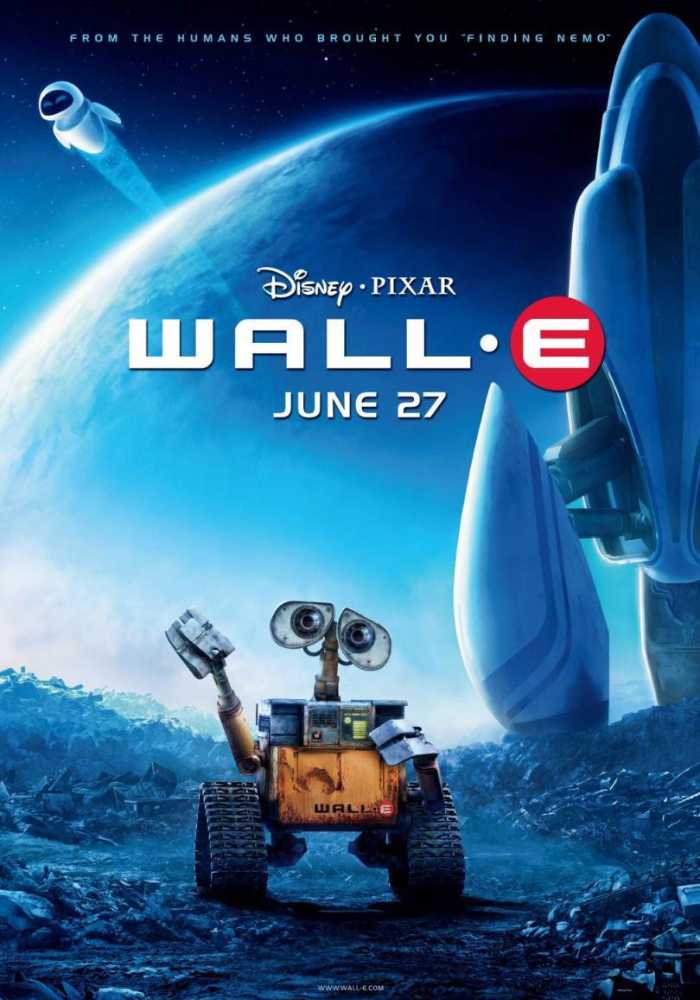
WALL-E (Andrew Stanton, 2008). Material rubbish: archaeologies of a saturated planet
The first session addresses techno-waste from the perspective of the animated fiction. At WALL-E, Earth has become a gigantic rubbish dump, abandoned by humans and managed by small rubbish compacting robots. The film gives food for thought: the waste accumulation as a condition of consumer capitalism; the externalisation of environmental costs towards the planet and towards non-human bodies (robots/machines); the fantasy of a humanity that separates itself from the Earth and delegates the dirty work to technical systems.
Main lines of debate

Human remains, future remains: reading Cubit (Vicente Luis Mora)
The second session introduces the language of literary fiction to explore techno-waste as a human and symbolic phenomenon. Cubit proposes a near future where the tensions between artificial intelligence, mineral materiality and human subjectivity allow us to think of «waste» from another place: displaced bodies, fractured imaginaries, overlapping temporal layers.
Main lines of debate

Sorry We Missed You (Ken Loach, 2019)
The hidden face of AI: algorithms, precarious work and human waste
The third session shifts attention to what the digital economy often obscures: the logistical platforms that underpin online commerce, the algorithmic systems that govern labour and the bodies that absorb the cost of this distributed «intelligence». Through the film Sorry We Missed You, Ken Loach's "The Promise of Flexibility and Autonomy" examines how the promise of flexibility and autonomy in the gig economy is sustained by impossible working hours, indebtedness, permanent monitoring devices and a management of work mediated by applications that turn everyday life into an uninterrupted flow of data and performance diagnostics. From there, the session invites us to think about techno-waste as the human and social residue of AI and platforms: exhausted bodies, eroded family ties, care times compressed to fit productivity metrics and biographies that the system itself considers replaceable.
Main lines of debate
What kind of material and digital infrastructures make working on platforms (vehicles, devices, apps, data networks) possible and what «waste» do they generate in terms of electronic scrap, energy footprint and bodily wear and tear?
How does the «chief algorithm» work in the film (scanner, app, performance metrics) and how does it transform the relationship between company, employee and client?
Who are the invisible workers of the digital economy here (delivery workers, caregivers, subcontracted staff) and what material, emotional and familial risks do they take to sustain the promise of immediacy of online commerce?
How does our idea of innovation change when we include in the analysis the precariousness of work, the intensification of working time and the erosion of care shown in the film?
How do these «innards» of the platform economy connect to the material trash of WALL-E (technological waste, planet saturation) and the human/mineral debris that runs through Cubit (bodies overwhelmed by technology, cracked futures)?